
Get Water Line Replacement
Water line replacement services involve local contractors upgrading or repairing underground pipes to fix leaks, improve water flow, and prevent future damage.
If you're considering water line replacement, you're in the right place to explore your options. Property owners in the area may find this work necessary due to aging infrastructure, frequent leaks, or the need to upgrade to more reliable piping systems. Understanding the benefits of timely replacement can help prevent more extensive issues down the line, making it a practical step for maintaining the integrity and functionality of your property’s water supply.
This page connects you with local contractors who specialize in water line replacement services. Comparing different providers can help you find the right solution for your property’s needs. Keep reading to learn more about the process and how to identify experienced service providers in your community who can handle this important project.
- Water Line Replacement - needed when existing water lines are leaking or have become corroded.
- Water Line Replacement - required if water pressure drops or there are frequent pipe bursts.
- Water Line Replacement - necessary during renovations that involve relocating or upgrading plumbing systems.
- Water Line Replacement - advised when pipes are frozen or have suffered damage from root intrusion.
- Water Line Replacement - essential if inspections reveal extensive pipe deterioration or contamination risks.
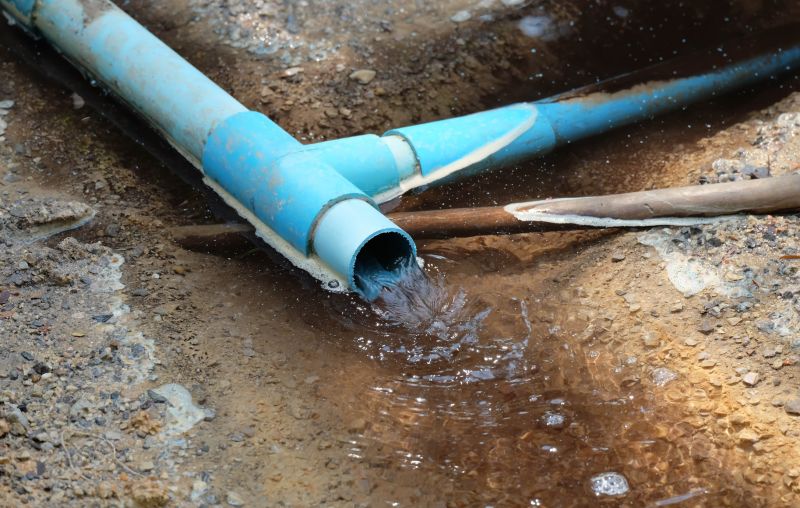
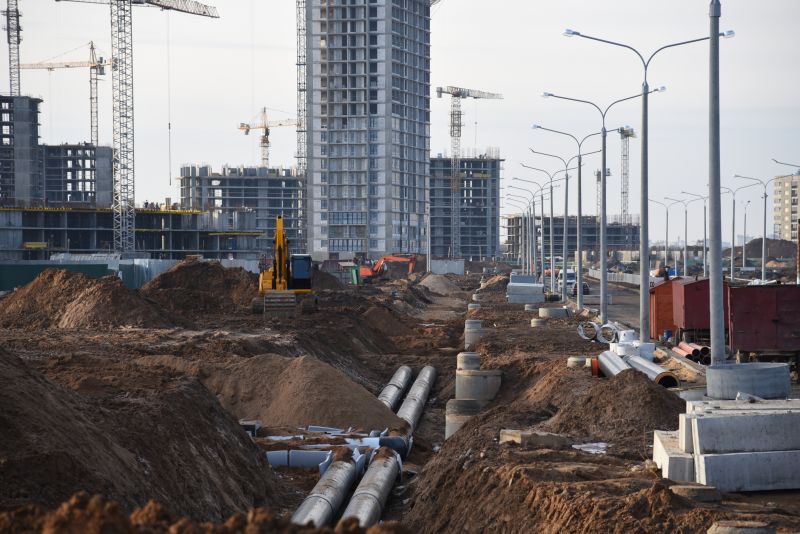
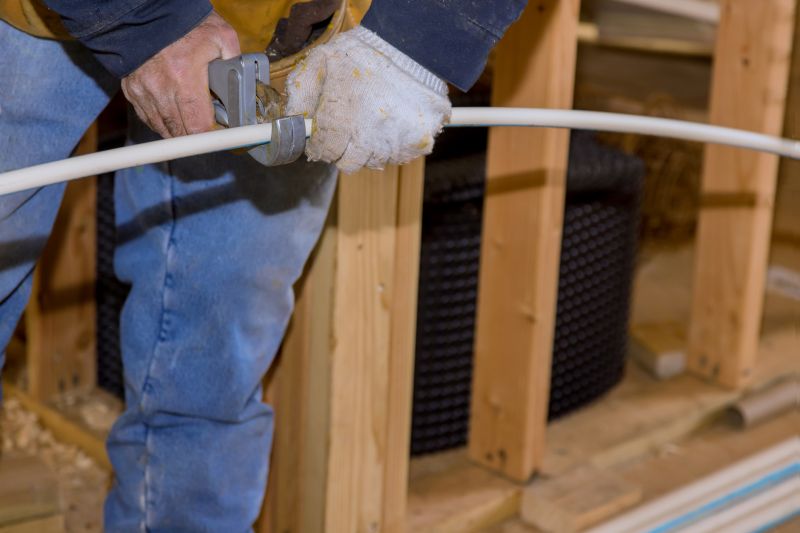
Water line replacement services involve removing and installing new underground or above-ground pipes that supply water to a property. This process typically includes disconnecting the existing water lines, excavating or accessing the pipes as needed, and installing new piping that meets current standards for durability and performance. Local contractors handle the entire replacement, ensuring that the new water lines are properly connected and tested for leaks or pressure issues. This service is essential for maintaining a reliable and safe water supply to a home or property.
Replacing aging or damaged water lines helps solve common problems such as persistent leaks, low water pressure, or frequent pipe bursts. Over time, pipes can corrode, develop cracks, or become clogged, leading to costly water damage and inefficient water flow. A water line replacement can eliminate these issues by upgrading outdated piping to modern materials that resist corrosion and improve overall system reliability. Property owners experiencing these problems may find that replacement not only resolves current issues but also prevents future disruptions and costly repairs.
Water line replacement services are often used in residential properties, including single-family homes, townhouses, and multi-unit complexes. These properties typically rely on underground water pipes that are vulnerable to age-related deterioration or external damage from construction, shifting soil, or freezing temperatures. Commercial properties, such as apartment buildings or small businesses, may also require water line upgrades to ensure consistent water service and comply with local standards. Homeowners and property managers can contact local service providers to assess their specific needs and determine if a replacement is necessary.
Property owners should consider water line replacement if they notice signs of pipe deterioration or experience ongoing issues with their water supply. Common indicators include discolored or foul-tasting water, unexplained increases in water bills, or visible leaks around the property’s foundation or landscaping. Additionally, older homes with original plumbing may be more prone to pipe failures and benefit from a proactive upgrade. Local contractors can evaluate the condition of existing water lines, provide guidance on the best course of action, and perform the necessary replacement work to ensure a dependable water system for years to come.
The overview below groups typical Water Line Replacement projects into broad ranges so you can see how smaller, mid-sized, and larger jobs often compare in your area.
In many markets, a large share of routine jobs stays in the lower and middle ranges, while only a smaller percentage of projects moves into the highest bands when the work is more complex or site conditions are harder than average.
Smaller Repairs - Typical costs for minor water line repairs usually range from $250 to $600. Many routine fixes fall within this middle range, depending on the extent of the damage and accessibility. Fewer projects reach into the higher end of this spectrum.
Partial Replacement - Replacing a section of the water line generally costs between $1,000 and $3,000. Local contractors often handle these projects efficiently within this range, though larger or more complex jobs can cost more.
Full Water Line Replacement - Complete replacement of a water line can vary from $3,000 to $8,000, depending on the size of the property and pipe material. Many full replacements fall into the middle of this range, with larger properties pushing costs higher.
Complex or Emergency Projects - Larger, more complex water line replacements or emergency repairs can reach $10,000 or more. These projects are less common but are necessary for extensive damage or difficult access situations, and costs tend to be at the higher end of the spectrum.
Actual totals will depend on details like access to the work area, the scope of the project, and the materials selected, so use these as general starting points rather than exact figures.
Sewer Line Replacement - involves similar planning, excavation, and pipe installation techniques as water line replacement projects, requiring knowledge of underground utilities.
Drain Line Repair - addresses underground piping issues using similar tools and methods, often requiring careful planning and access to concealed plumbing systems.
Underground Utility Installation - includes installing various underground services such as water, sewer, or electrical lines, utilizing comparable trenching and piping skills.
Landscape Drainage System Installation - involves designing and installing underground drainage solutions that require planning, excavation, and pipe fitting expertise.
Foundation Drainage System Installation - entails installing subterranean drainage pipes around foundations, involving similar excavation and pipe connection techniques.
Gas Line Replacement - requires careful planning, excavation, and pipe handling skills comparable to water line replacement, often within underground utility work.
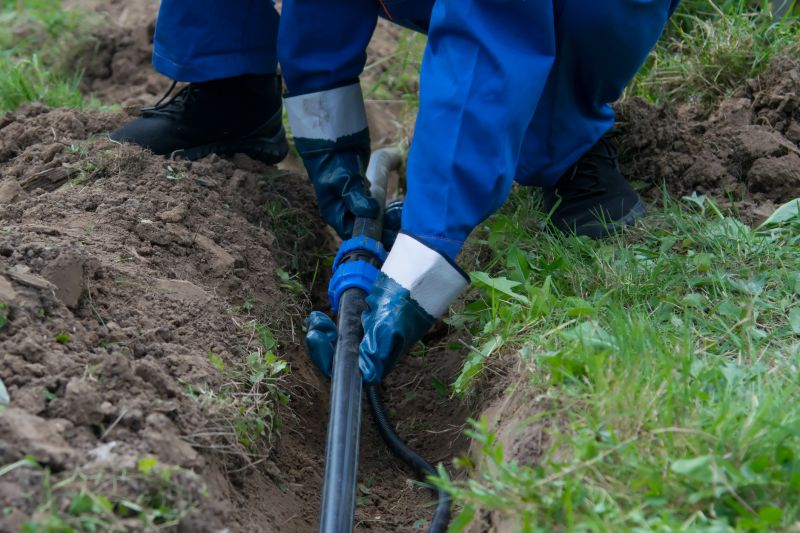
When comparing service providers for water line replacement, it’s important to consider their experience with similar projects. Look for local contractors who have a proven track record of handling water line replacements in residential settings. An experienced professional is more likely to anticipate potential challenges and deliver quality work, reducing the chances of future issues. Asking about their previous projects or requesting examples of completed work can help gauge their familiarity with the specific requirements of water line replacement.
Clear written expectations are essential to ensure all aspects of the project are understood upfront. Reputable local contractors will provide detailed estimates that outline the scope of work, materials to be used, and any assumptions or limitations. This transparency helps prevent misunderstandings and provides a foundation for a smooth process. When comparing options, it’s beneficial to review these documents carefully and ask for clarification on anything that seems unclear or incomplete before making a decision.
Good communication and reputable references are vital indicators of a reliable service provider. Local pros who are responsive and willing to answer questions demonstrate professionalism and a commitment to customer service. Additionally, seeking references or reviews from previous clients can provide insights into their work quality, reliability, and how they handle project challenges. While the site introduces homeowners to local options, it’s up to the homeowner to evaluate these qualities to find a contractor who communicates well, has a solid reputation, and can effectively manage the water line replacement process.
Property owners use Water Line Replacement services for practical projects around their homes and businesses. This guide focuses on everyday jobs and straightforward project options.
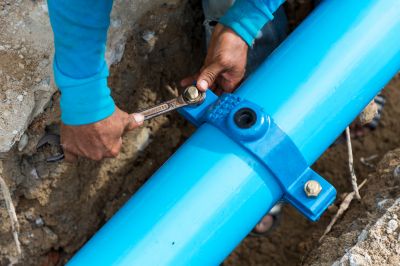
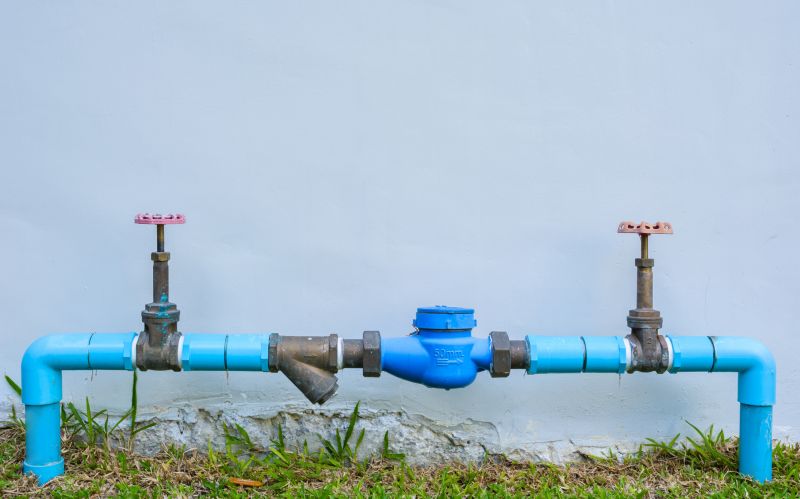
Water line replacement services are often needed when property owners notice low water pressure, frequent leaks, or unexplained water bills. These issues can arise from aging pipes, corrosion, or damage caused by ground shifting or nearby construction. Local contractors can assess the condition of existing water lines and recommend appropriate solutions to restore proper flow and prevent future problems, making sure that homes and businesses continue to function smoothly.
In addition to age and wear, property owners might seek water line replacement when planning major renovations or new landscaping projects that could impact underground pipes. Other common reasons include repairing broken or burst pipes after severe weather events or addressing contamination concerns that require pipe replacement to ensure safe water supply. Local service providers can handle these situations efficiently, helping to maintain reliable water service and protect property value.
What are signs that a water line needs replacement? Signs include frequent leaks, low water pressure, or visible damage to the pipes, indicating that a replacement may be necessary.
Why should I consider replacing my water line? Replacing an aging or damaged water line can prevent future leaks, improve water quality, and ensure reliable water supply.
How do local contractors handle water line replacements? Experienced service providers assess the condition of existing pipes, determine the best replacement method, and perform the installation efficiently and safely.
Can water line replacement be done without significant disruption? Many local pros use techniques designed to minimize disruption, such as trenchless methods, depending on the situation.
What types of materials are used for water line replacements? Common options include copper, PVC, and PEX pipes, selected based on durability, compatibility, and local building codes.
Water Line Replacement for Renovations - Upgrading water lines during home renovations can improve water quality and flow throughout the property.
Replacing Aging Water Lines - Installing new water lines can prevent leaks and reduce the risk of water damage caused by deteriorating pipes.
Preparing for New Landscaping - Water line replacement can support new irrigation systems, ensuring reliable water delivery for lawns and gardens.
Addressing Water Pressure Issues - Upgrading water lines may help resolve low water pressure problems affecting daily household activities.
If you are thinking about Water Line Replacement for a property, this guide is meant to help you understand the work, the typical project types, and how different options might fit your plans.
When you are ready, you can use the quote form on this page to share a few details about your project. From there, local pros can review the basics and respond with options that match what you have in mind.